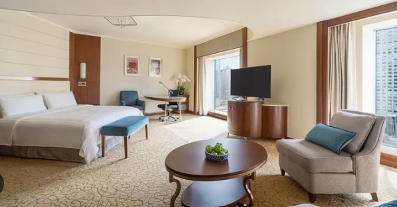
Hotel Rooms
Not all hotels are allowed to accept foreigners. A special license by the hotel is required to allow foreigners to stay, but usually only dirt-cheap or unsafe premises are without this license. Apparently, hotels cannot refuse foreigners any longer but this is not been what some people have found on their travels.
You'll need to hand over your passport as they'll make copies for reference and as a legal procedure.
Rooms can be rather similar to many Western rooms in that they have a Kettle, Chinese teabags and lots of toiletries for you to use. You should be given complimentary combs, toothpaste/toothbrush and soap. Sometimes, other goodies such as slippers will be included. It is not uncommon in medium priced hotels however that several room lights and wall switches either don’t work or seem to serve no purpose whatsoever.
Showers should have hot water for most of the day but beware – this can suddenly get turned off without warning or water shortages may limit your supply to an annoying trickle in very remote parts of China. But this is never a problem in cities and large towns in fairly decent hotels.
Big, expensive hotels will have none of these inconveniences and are really quite impressive to stay in. Cheaper hotels may have no heating facilities during winter, meaning some very cold nights. Chinese customers often ask to see the room before agreeing to stay the night. That would be your opportunity to inspect and enquire about such things as heating (in winter) and hot water availability. All standards of room in all types of hotels should have hot water flasks for drinking. Rooms usually self-lock and foreigners seldom report burglaries.
Most hotel rooms have a reception safe, though sometimes this may comprise of a cabinet behind a desk, rather than a secure, installed unit! Youth hostels of some sort, mostly very well maintained and secure, can be found in the main tourist cities. You’ll find the Hostelling International (HI) logo nailed above many hostel receptions although they won’t be affiliated in any way. Oddly, Hong Kong has few hostels and it’s cheap accommodation can sometimes be a little on the poor-quality side and almost certainly claustrophobic (in keeping with the tightness of the entire island and Kowloon).
A deposit is sometimes required for your room key – this can sometimes be more than the cost of the room. Ensure you hang onto your flimsy paper receipt without which you may not be able to reclaim the deposit when you finally check out.
Additionally, you should leave your hotel room by midday if checking out - just five minutes lateness can incur the cost of the deposit. On checking out, reception will make you wait for some moments and make a quick, dubious phone call to your floor attendant. The attendant will check your vacated room – ensuring all towels, TV sets, linen and curtains haven’t been stuffed into your small bag! It’s an irritating and frankly slightly rude procedure that is just part of the Chinese hotelling experience. But that said, again, better and nicer hotels don't do this at all.
If out for the evening, a useful tip is to take the business card or brochure of your hotel to flash to a taxi driver when it’s time to return. Describing your hotel name or location is an almost impossible task unless your Chinese tones are well advanced.
Hotel guests may also have an unwanted telephone call to their room during the evening. These calls are offering a massage …well, what they’re really offering is a good time! This happens at low level hotels only.
You won’t get continuously hassled for this and it’s just best to end the call as soon as possible. If you say ‘bu’ (‘no’) and hang up that’ll be the end of the matter, unless that’s your type of thing!