Food
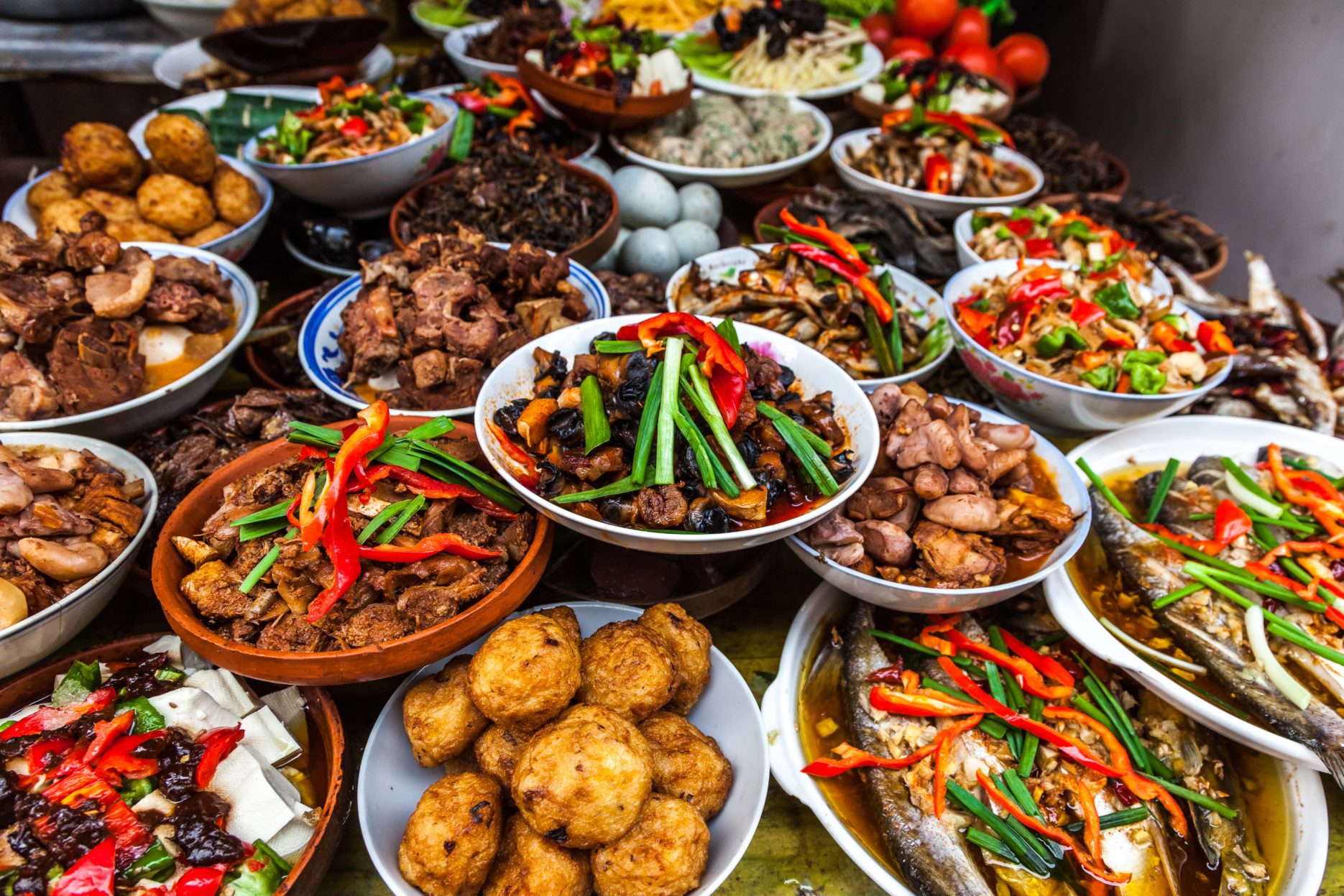
Where do we start with food? It's a massive topic for China, as I am sure you will know! There is so much variety of food in China that a section must be included in this guide to help you order something recognisable.
Food is not just food to the Chinese – it is a way of showing love, sealing business agreements or emphasising deep-rooted friendships. Inviting a friend to eat is commonplace, even at 2am!
Restaurants tend to serve specific food and often have a speciality, usually their province cuisine, but often other province dishes. Generally, there are two kinds of dining: Option 1: a smarter restaurant, with half a dozen friends, big round rotating table and a large variety of dishes, or... Option 2: the quick and often very small noodle restaurant, with limited dishes and very cheap (but still often as good as Option 1!).
Now, I know what you might be thinking. Yes, some dog restaurants do exist but they are increasingly less common and, in some places, totally absent (the Chinese now have a fondness for pets - in the cities at least). But, depending on your province, you'll equally different (exotic) dishes, such as frog, snake, bird, deer or even camel restaurants (usually, Xinjiang). But fear not, the vast majority of dishes are beef, pork, lamb and a huge amount of lovely fish dishes often served in wonderful soup. A word of caution though! Most fish are not filleted. Take care with the bones when eating. Yes, you can quietly spit out fish bones beside your bowl onto a tissue perhaps, on the table. This is the norm.
China has been given a rough ride internationally in terms of eating ‘anything that goes’ but actually most people only eat the same old meats and veggies that we’re used to around the world. The word for meat is ‘rou’ (pronounced like ‘row’ as in ‘row the boat’) and the meat word is put before it. Therefore, dog meat is ‘gou-rou’ (‘gou’ being dog) – so now you know how to avoid that meat! Other meat types are ‘new-rou’ (beef), ‘jee-rou’ (chicken), ‘yang-rou’ (lamb), ‘ya-rou’ (duck), ‘zhu rou’ (pork) – pork being the most common of all meats. This site isn't a language site so we won't go into what the Chinese characters all look like, but this is a start - which is this guide's complete intention.
If your visit takes you to Muslim Xinjiang do not ask for ‘zhu rou’ but ask for ‘da rou’, which is still pork, but without the direct reference to the pig. Of course, try to avoid asking for pork if the restaurant is clearly Muslim run or the clientele are mostly Muslim. I think that goes without saying.
We’ll be putting together a handy menu-style list so you can order the most common dishes pretty much anywhere in China. Obviously, there are many dishes which are specific to certain province (like I said at the intro of this website, China “is a big place” so expect great changes and differences in what they eat province by province). The spice intake alone can vary massively.
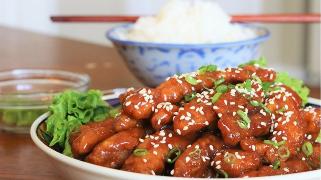
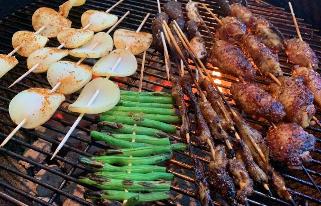
The Chinese take immense pride in their selection of food and no doubt you’ll find many more kinds of dishes during a long stay in China, which are specific to the area you’re in. You may also find some crazy local delicacies but they are all far too numerous to mention here (scorpions can be eaten in Beijing and barbequed kebabs (‘kao-rou’) are common in many provinces, for example). Many dishes (especially in Chongqing, Hunan province and around Sichuan) get peppered in harsh spices.
To find out how to avoid these spices check out our ‘spice and intolerances’ section.
A final comment about seeds must be made. They love them! On trains, in waiting rooms, huddled around a small TV in your local shop, even on high speed trains, seed shells will litter the floor creating an impressive mess. Many Chinese also have jagged front teeth, probably from a lifetime of seed crunching. It's what they love to chomp on. Hunan and Hainan is also famous for 'binglan' which the nearest description would be 'betel nut', a dried areca nut in a woody casing, often chewed to addiction.
When travelling, you will see dozens of commuters, often intending for long train journeys, taking with them instant noodles. These are actually very good and certainly a simple, hot-water (easy to find in most train stations) meal until you get to destination B. You will see shelves of instant noodles, most of them including a bag of spice flavour, along with a few driedingredient extras.
So, we cannot give Chinese food anywhere near the justice it deserves in these few paragraphs but we can introduce it briefly enough to give you a heads up on what, where and how to enjoy it.
Just one more thing, don’t ask for steamed duck eggs in Suzhou, they love them embryonic, that is, with the chick visibly developing inside while you eat it. Give it a go if you dare. For me, I will pass.
(See Tipping and Waiters, as well as Spice and Intolerances).